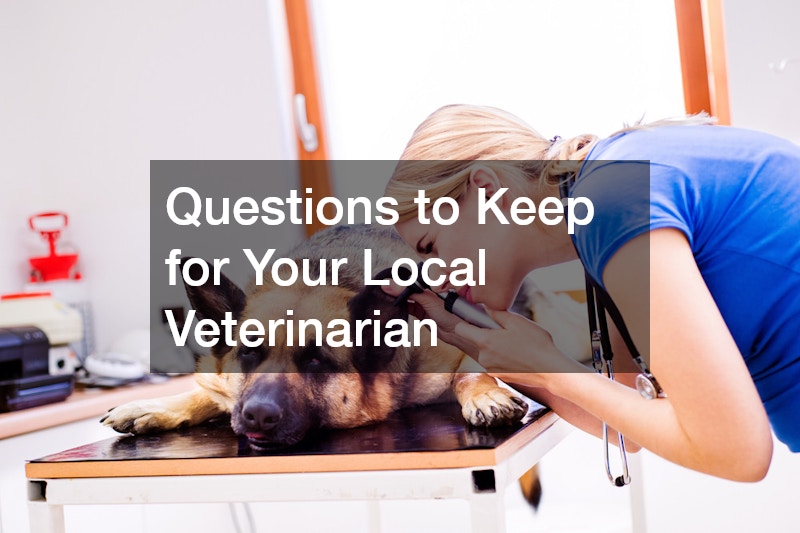
In the hustle and bustle of daily life, pet owners often overlook the incredible depth of knowledge and skill that their local veterinarian possesses. Not only does a vet diagnose and treat health issues, but they also provide preventive care to ensure your pet enjoys a long and healthy life. This role requires a deep understanding of animal biology, behavior, and physiology.
Engaging with your local veterinarian about the various aspects of animal healthcare can broaden your understanding and highlight the multifaceted role of veterinary professionals. A vet may specialize in certain areas like surgery, dermatology, nutrition, or behavior, and knowing this allows you to ask targeted questions. Such interaction enriches both the pet owner and the pet, as a well-informed caregiver can make better decisions for their pet’s welfare.
Moreover, understanding the veterinarian’s recommendations and potential treatments can prevent misunderstandings. Humane and ethical treatment of animals is at the core of a veterinarian’s mission, which aligns with the values most pet guardians hold dear. Building a rapport with your vet by asking informed questions can lead to a partnership where both parties work towards the best interests of your pet.
Discussing Preventive Care and Routine Checkups
Preventive care is a cornerstone of veterinary practice, yet it is often an underappreciated component of pet ownership. Routine checkups allow veterinarians to catch potential issues early and to tailor a healthcare plan specific to your pet’s needs. It’s crucial that pet owners ask their local veterinarian what types of preventive care are recommended for their specific breed and age of pet.
Vets can guide you on necessary vaccinations, dental care, parasite prevention, and dietary needs. Questions regarding the frequency of visits and any lifestyle changes needed to enhance your pet’s health can provide invaluable insights. Moreover, understanding the cost and availability of these preventions sets the stage for expectations regarding time and financial investment.
A proactive approach not only ensures better health for your pet but also can prevent costly emergencies down the road. Discussing long-term health plans fosters a collaborative environment where the focus is on sustained pet health. Being inquisitive allows you to stay updated with advancements in veterinary medicine, ensuring your pet benefits from the best possible care.
Evaluating Emergency Services and After Hours Care
No pet owner wants to face emergencies, but they occur, and preparedness is key. Knowing the after-hours policy of your local veterinarian and the protocol for emergencies can be a literal life-saver. Ask if the clinic provides after-hours services or if they partner with an emergency vet facility.
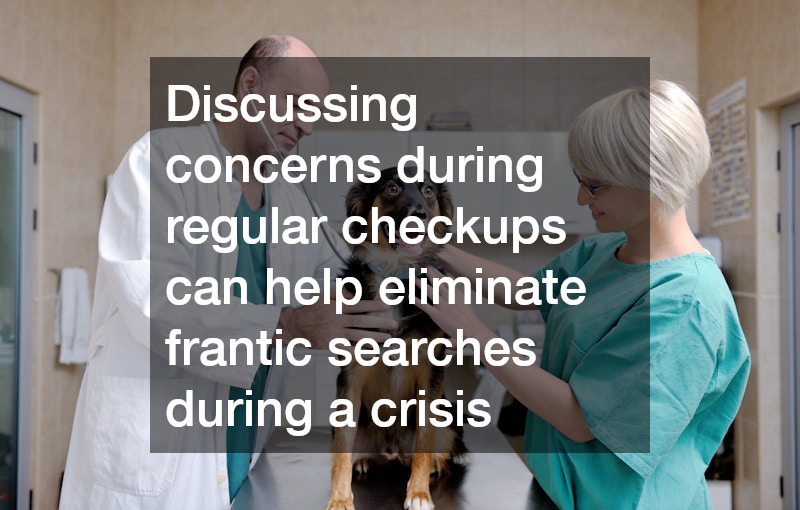
Discussing these concerns during regular checkups can help eliminate frantic searches during a crisis. When you understand the process and location of emergency services, you have peace of mind and can act decisively in critical situations. Inquiring about what qualifies as an emergency and how to handle various scenarios also empowers pet owners to make informed decisions under pressure.
Additionally, get clarity about transportation arrangements—whether you should bring the pet to the clinic or if there’s a mobile service available. Take advantage of this dialogue to understand what steps you should take in transit, from calming your animal to minimizing injury. Information such as the veterinarian’s emergency contact details should be documented and easily accessible.
Questions About Pet Nutrition and Diet
Your local veterinarian is an excellent resource for advice on pet nutrition and diet, tailored to your pet’s unique circumstances. Nutritional needs can vary greatly based on the age, breed, and activity level of a pet. Inquiring about the right balance of nutrients and the appropriate portion sizes is crucial to maintaining your pet’s well-being.
Pets, just like humans, thrive on a balanced diet, one that often needs fine-tuning based on preventive care plans or existing health issues. Your vet can help determine whether any supplements or specific diets are necessary, such as those targeting weight management or food allergies. Regular discussions about dietary needs encourage optimal growth and health, which can be monitored through routine checkups.
It’s also beneficial to discuss feeding schedules and the selection of commercially available pet foods versus home-cooked meals. The conversation can extend to understanding labels and ingredients that may be beneficial or harmful. Whether you have a new puppy, a mature cat, or a senior dog, these nutritional questions ensure the meals provided are both satisfying and nutritious.
Behavioral Concerns and Training Tips
Behavioral issues in pets can be puzzling and challenging, leaving pet owners frustrated. A local veterinarian can provide insight into the root causes of such behaviors, ranging from separation anxiety to aggression. Engaging in this discussion can reveal new strategies on handling these concerns, often involving behavior modification techniques or professional training.
As pets communicate through behavior, asking thoughtful questions about sudden changes or bothersome habits can prevent these issues from developing into serious problems. A veterinarian’s advice on behavior can also involve enrichment activities, environmental adaptations, or recommendations on professional trainers. This not only helps create a harmonious household but also improves the mental well-being of the pet.
Understanding the psychology behind a pet’s behavior with help from your local veterinarian can open up new avenues for bonding and training. Remember that behavior issues are a common reason pets are surrendered to shelters, and proactive communication with your vet can prevent many of these situations. Through collaborative efforts, you can address these quirks and build a better relationship with your furry friend.