
1. Know Your Local Emergency Vet Services
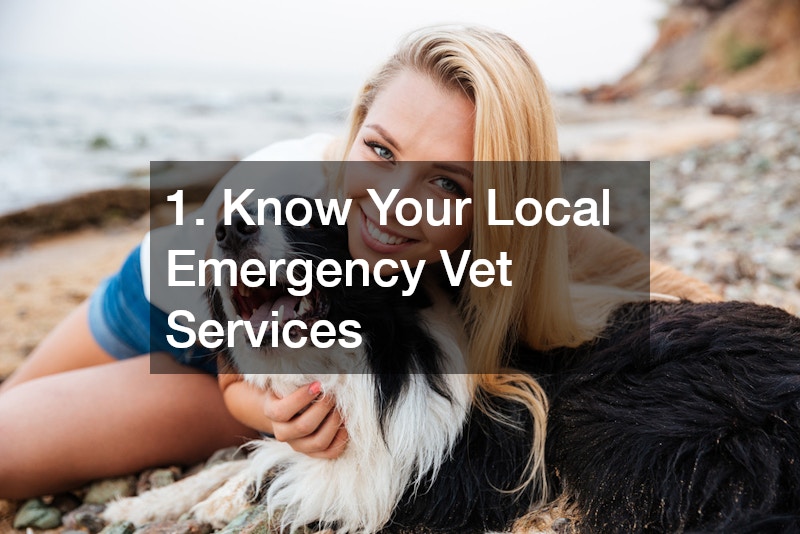
As a responsible pet owner, knowing the location of the nearest emergency vet is crucial. In cases of sudden illness or an accident, having quick access to top pet urgent care can be the difference between life and death for your beloved animal. Ensure you have their contact information readily available for any emergencies.
The emergency pet hospital in your area should be researched ahead of time. Check reviews and experiences from other pet owners to ensure it provides reliable and effective services. Building a rapport with local animal care specialists can also provide additional peace of mind.
Responsive emergency vet services are a fundamental part of keeping your pet safe. Familiarize yourself with the signs of common pet emergencies. This knowledge can expedite the process in the event of an urgent situation and improve outcomes.
Another important step is to understand the emergency protocols of the vet services you choose. Knowing their process for handling different types of emergencies can better prepare you for any situation. Preparation includes knowing the fastest routes to the clinic to save precious time.
Training your pet to remain calm in transport is also beneficial, facilitating easier handling by veterinarians when arriving at the emergency pet hospital. Consider desensitizing them to car rides and vet visits to minimize stress during critical times. Pets that associate travel with fear may react poorly, thereby complicating urgent situations.
2. Regular Visits to the Veterinarian Are Essential
Routine checkups with your veterinarian are key to maintaining your pet’s health. These visits help detect health issues early and ensure that your pet is up to date with vaccinations. Having a good relationship with your vet can make visits less stressful for both you and your pet.
Veterinarians also provide expert advice on nutrition, exercise, and other aspects of pet care. They can suggest the best dog groomer for your pet’s specific needs, ensuring they stay clean and healthy. It is recommended to visit the vet at least once a year or more frequently for older pets.
Ensure you address all your concerns during vet visits. From advice on how to handle minor pet surgeries to recommendations for dog boarding, your veterinarian can be a valuable resource. Regular health checks can significantly enhance your pet’s quality of life.
Regular vet visits can prevent chronic diseases by catching issues early, allowing for timely intervention. Ensuring vaccinations and booster shots are current keeps your pet and community safe from contagious diseases. As pets age, evaluations for conditions such as arthritis or diabetes become crucial.
Understanding the financial aspects of veterinary care is equally important. Many veterinarians offer payment plans or pet insurance options to manage costs without compromising care. Planning for long-term health needs can alleviate unexpected financial burdens.
3. Importance of Professional Dog Training
Engaging a professional dog trainer can be one of the best investments you make for your pet’s behavior. Not only does it establish essential obedience in your dog, but it also strengthens the bond between pet and owner. A well-trained dog is generally happier and more confident.
Training sessions provide the framework for teaching your dog to follow commands and understand boundaries. Working with a reputable dog trainer ensures that training is efficient and effective. Sessions can be tailored to address specific behavioral issues, providing a customized approach.
Socialization is another critical aspect facilitated by professional training. Dogs learn to interact appropriately with other animals and people, reducing anxiety and reactivity. It lays the foundation for a well-adjusted pet which is especially beneficial in environments like dog boarding facilities.
Training also provides mental stimulation, which is as vital as physical exercise for intelligent dog breeds. Mental exercise can prevent destructive behavior by reducing boredom-induced stress and anxiety. A trained pet can enjoy off-leash play safely and enhance their quality of life.
In addition to basic obedience, training for recall and advanced tricks can be incredibly rewarding. These skills not only increase safety during outings but also deepen the connection with your pet. Consistency in training maintains these skills over time, reinforcing positive behavior.
4. Grooming for Health and Happiness
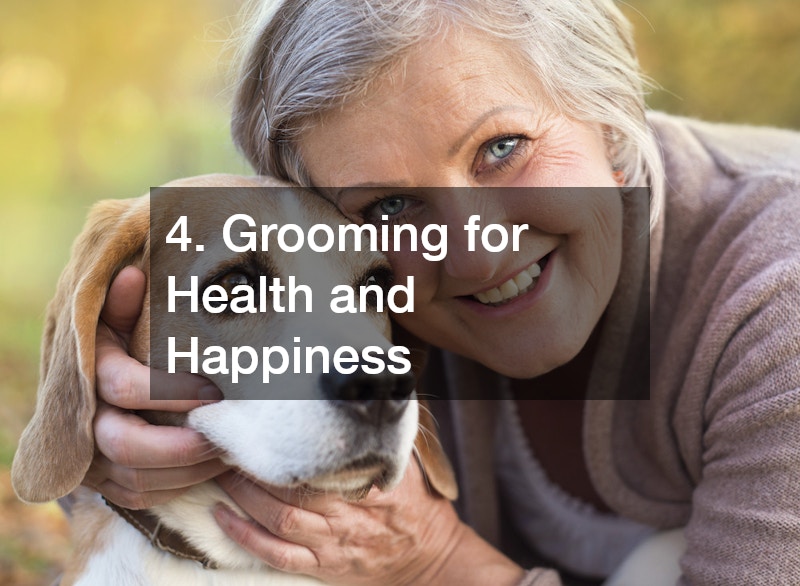
Grooming isn’t just about keeping your pet looking good; it’s a significant aspect of their overall health. Regular visits to a professional dog groomer help maintain your pet’s coat, skin, and nails in optimal condition. Groomers can also spot early signs of health issues, such as skin infections or parasites.
Grooming sessions should be stress-free for your pet. Choose a dog groomer who uses gentle handling methods and has experience with your pet’s breed. This will ensure that the grooming process is both effective and pleasant for your furry friend.
The health benefits of grooming go beyond the visual appeal. It prevents issues such as matting, which can cause skin irritation, and keeps your pet free from pests like fleas and ticks. Regular grooming contributes significantly to your pet’s comfort and well-being.
Introducing grooming tools at home can assist your pet in getting accustomed to the process, minimizing stress during professional sessions. Regularly checking and caring for your pet’s teeth, ears, and paws is another aspect of comprehensive grooming. Basic home grooming practices enable you to notice changes in your pet’s physical condition more easily.
Consider seasonal needs such as coat care adjustments during shedding cycles. A knowledgeable pet groomer can recommend products and routines that support skin health and minimize allergens. Groomers can also advise on methods to ensure pets’ claws are kept at a comfortable length, preventing discomfort or injury.
5. Nutrition Matters
A balanced diet is essential to your pet’s health and longevity. Proper nutrition supports growth, energy levels, and overall wellness. Consult with your veterinarian to determine the most suitable diet for your pet’s age, size, and breed.
Understanding pet food labels can be daunting, but your veterinarian can help you make informed choices. They can recommend whether supplements are needed or if specialized diets would be beneficial. Good nutrition is the cornerstone of preventive health care and can also mitigate risks related to pet surgeries.
Pet owners should avoid over-feeding and keep treats to a minimum to prevent obesity and related health issues. Monitor your pet’s weight and adjust their diet accordingly. This vigilance can ensure that your pet remains healthy and active throughout their life.
Transitioning to a new diet should be done gradually to avoid digestive upset, and your vet can guide you on ideal progression steps. Pet nutrition should include considerations for allergies and age-specific dietary needs. Regular assessments can determine if adjustments to diet or products are necessary.
Homemade diets, while popular, require careful planning to meet nutritional needs accurately. Consulting with an animal nutritionist or your veterinarian before altering your pet’s diet drastically is wise. Nutrition combined with adequate exercise promotes a healthy lifestyle and extends your pet’s life expectancy.
6. Exercise Keeps Pets Happy and Healthy
Exercise is vital for both mental and physical health. It helps manage weight, reduces stress, and prevents behavior problems by providing your pet with a healthy outlet for energy. Incorporate daily walks, playtime, and mental stimulation to maintain your pet’s fitness.
Personalized exercise plans can be created with the help of a professional dog trainer, especially for more active breeds. Tailor these routines to your pet’s needs and capabilities to avoid over-exertion, which could lead to injuries. Exercise also offers an excellent opportunity to bond with your pet.
Cats also benefit from regular play sessions which can mimic their hunting instincts. Engaging them with toys and laser pointers can be effective. Providing ample opportunities for both physical and mental stimulation is pivotal in comprehensive cat care.
Consider group exercise options such as dog parks or agility classes to socialize while exercising. Socialized exercise encourages healthy interactions and builds confidence, particularly in shy pets. Structured activities like agility or scent trails channel energy into constructive outlets.
Changes in energy levels or reluctance to play may indicate underlying health issues, so monitor your pet’s behavior closely. Exercise habits should adapt to seasonal changes such as hot or cold weather, maintaining comfort levels year-round. Consistent exercise, even as pets age, contributes to joint health and maintains muscle tone.
7. Safety First: Pet Proofing Your Home
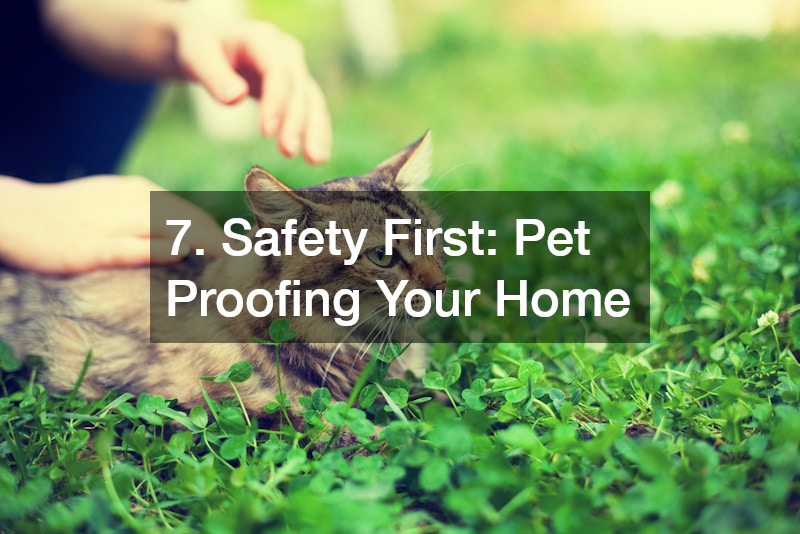
Pet-proofing your home is essential for preventing injuries and accidents. Ensure that dangerous items, such as electrical cords and poisonous plants, are out of reach. Secure cabinets that house cleaning supplies or medicines to protect curious pets.
For pet owners with outdoor spaces, maintaining a secure perimeter is key to preventing escapes. Regularly inspect fencing and gates for potential weak spots. Home safety also extends to ensuring that sharp objects and small items that can cause choking are not accessible.
Pet-proofing should be regularly reviewed and updated as your pet grows and becomes more curious. Make adjustments as necessary to accommodate changes in behavior or new additions to the household. This proactive approach helps prevent emergency vet visits.
Installing childproof locks on cabinets and ensuring window screens are secure can further prevent accidents. While crates may provide initial security, ongoing training and environment adaptation offer longer-term solutions. Supervising or containing young or newly adopted pets mitigates the risks during the transition period.
Level ground in yards prevents pets from injuring themselves during high-energy play. Ensure pet-friendly materials and plants are utilized in landscaping to avoid toxicity. Continuous vigilance and periodic reviews of safety measures maintain a hazard-free environment.
8. Understanding and Managing Pet Anxiety
Many pets, especially rescue animals or those new to a home, may experience anxiety. Recognizing signs such as excessive barking, destructive behavior, or avoidance is crucial. Consult with your veterinarian for guidance and potential treatment options.
Behavioral therapies, along with support from a professional dog trainer, can help address underlying issues. Exposure to new situations in a controlled manner can gradually reduce anxiety. Regular routines and comforting environments can provide stability for a pet suffering from anxiety.
Anxiety management is crucial when considering dog boarding options. Ensure the facility is equipped to handle pets with anxiety and inquire about their approach to calming stressed animals. Understanding your pet’s needs leads to a harmonious cohabitation.
Utilizing pheromone therapy, such as diffusers, can provide added comfort and reduce stress. Implementing a dedicated safe space within the home where pets can retreat during stressful situations offers psychological security. Investing time in understanding your pet’s triggers facilitates effective management of anxiety.
Insightful use of positive reinforcement during training helps build confidence and decreases stress-induced behaviors. Engaging pets in calming activities such as massage or interactive play can lower anxiety levels. Continuous observation and adaptability ensure the ongoing efficacy of your chosen anxiety management strategies.
9. Knowing When to Seek Specialist Care
Sometimes, general veterinary care may not be enough, and specialist attention is required. Animals may need the expertise of animal care specialists, such as ophthalmologists or orthopedic surgeons, for more complex issues. It’s important to follow your vet’s referrals to these specialists to ensure comprehensive care.
Consulting with specialists may be necessary for certain pet surgeries or chronic conditions. They can provide more targeted treatment and manage cases that require high-level expertise. Trusting in a network of specialist practitioners ensures all aspects of your pet’s health are addressed.
Staying informed about potential health problems specific to your pet’s breed can prompt timely specialist visits. Using resources suggested by your veterinarian can guide you to the best care options. Specialist care, as part of an integrated approach, significantly contributes to a comprehensive animal care strategy.
Prepare for specialist visits by accumulating comprehensive records of previous treatments and surgeries. Transparency with specialists allows for more precise diagnoses and treatment plans. Regular consultations with your primary vet align your general care with specialist recommendations.
Establishing connections with specialists early crafts a protective safety net should complex health issues arise. Their insights often open doors to alternative therapies or advanced technology unavailable elsewhere. Building these professional relationships places your pet’s welfare in adept hands.
10. End-of-Life Care and Planning
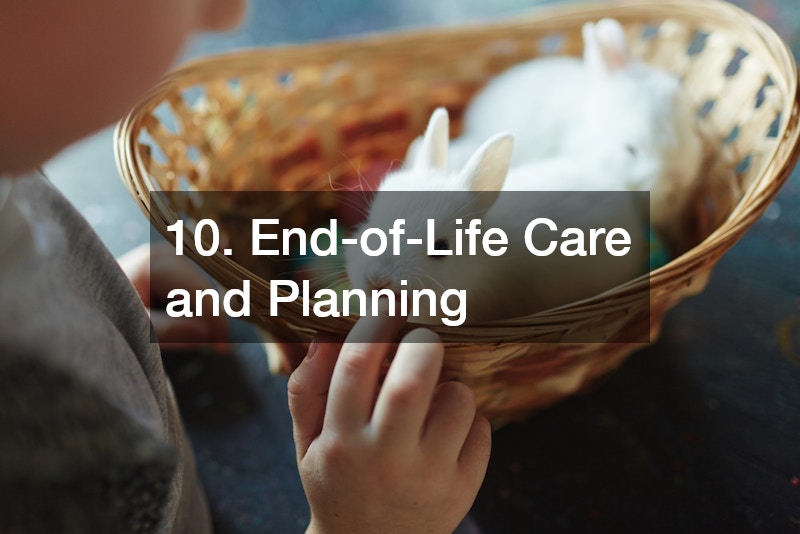
As much as we would like them to, our pets cannot live forever. Planning for end-of-life care is a compassionate responsibility of pet ownership. Discussing this sensitive topic with your veterinarian can prepare you for the future and provide guidance on care options.
Having a plan in place can ease the burden during emotionally fraught times. Options such as palliative care, home euthanasia, and respectful burials should be evaluated. Ensuring your pet’s comfort and dignity during their final days is a testament to your love and care.
The support of animal care specialists can provide additional comfort and understanding in these moments. They offer professional advice and emotional support for both you and your pet. Navigating this difficult aspect of pet ownership with compassion reflects responsible and loving care.
Discussing memorial options ahead of time provides clarity in moments of emotional strain. Personalized experiences, like crafting a memorial or celebration of life, honor your pet’s impact candidly. Collaboration with grief counselors may aid in processing profound loss effectively.
Legal considerations, such as ensuring guardianship in estate plans, protect pets under any unforeseen circumstances. Establish clear communication with caregivers to align expectations around end-of-life wishes. Comprehensive plans underscore the unconditional love shared between you and your pet.